How to Clean Your Card Guard (and Keep the Acrylic Clear)
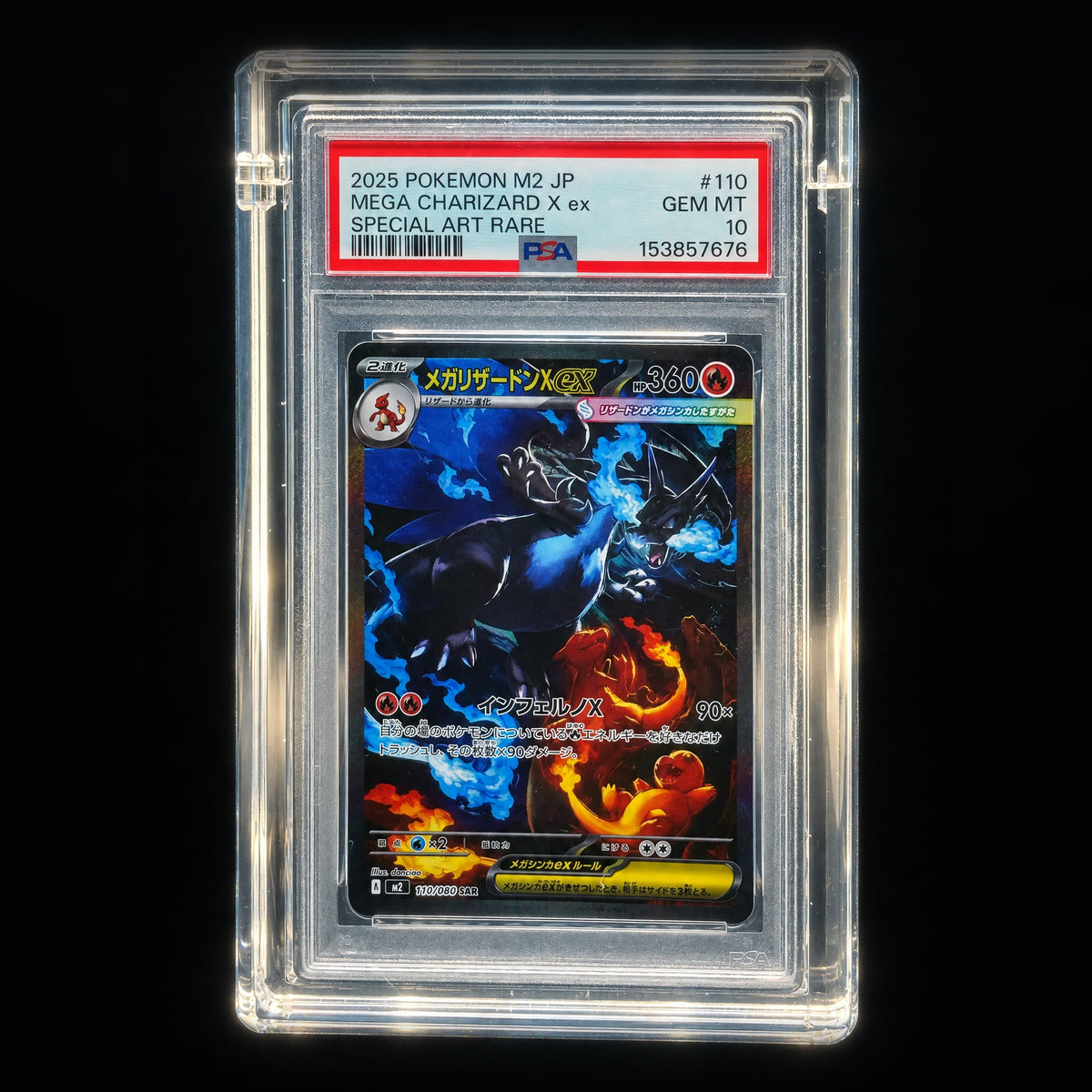
Quick answer: clean your Card Guard with lukewarm water, a drop of mild dish soap and a soft microfibre cloth, then pat it dry. Never wipe it dry and dusty, and never use window cleaner, paper towel or anything containing ammonia, acetone or solvents. Done this way, the acrylic stays clear and bright.
Before you start: take the slab out
Open the magnetic lid and lift the slab out before you clean the guard. It keeps water away from the slab and lets you clean the inside faces too. The slab can wait on a soft, clean cloth while you work.
How to clean a Card Guard, step by step
- Rinse or blow off the dust first. Dust and grit are what scratch acrylic, so never start by wiping it dry. Rinse it under lukewarm water, or use a soft brush or air blower if you only need a light dust.
- Wash gently. Add a drop of mild dish soap to lukewarm water and wipe with a soft microfibre cloth. No scrubbing: let the soapy water do the work.
- Rinse the cloth often. A cloth that’s picked up grit will drag it across the surface.
- Pat it dry. Use a clean, dry microfibre cloth and pat or blot rather than rub. This also stops water spots.
- Let it air for a minute, then put the slab back. Make sure the inside is completely dry before you close the lid.
What not to use on acrylic
| Avoid | Why |
|---|---|
| Window cleaners with ammonia (such as standard Windex) | Ammonia can cloud acrylic permanently |
| Acetone, nail polish remover, solvents, WD-40 | They attack the acrylic surface |
| Vinegar | Too acidic for acrylic |
| Paper towel or tissues | Wood fibres can leave fine scratches |
| Scourers, brushes with stiff bristles, squeegees | They scratch |
| Dry wiping a dusty guard | Grit trapped under the cloth acts like sandpaper |
Acrylic makers disagree about alcohol wipes: some list them as safe, others say to avoid alcohol entirely. Soap and water is safe either way, so stick with it for routine cleaning.
Fingerprints and smudges
For a quick touch-up, breathe lightly on the spot and wipe with a clean microfibre cloth. If that doesn’t lift it, use the soap-and-water method above. A dedicated acrylic cleaner, such as Novus No. 1 or Brillianize, is also fine for smudges and helps repel dust.
Light scratches
Fine surface marks on acrylic can often be reduced with a plastic polish made for acrylic, used gently with a microfibre cloth and following the polish maker’s directions. Test it on a corner first. Deep scratches won’t polish out, so prevention is the real fix.
Everyday habits that keep a guard looking new
- Stand guards upright or display them side by side. Stacking and sliding cases across each other is the most common cause of scuffs.
- Handle by the edges. It keeps fingerprints off the front window.
- Dust little and often. A quick pass with an air blower or soft brush stops grit building up.
- Keep them out of direct sun and away from heat. The acrylic blocks 99.95% of UV, but sunlight and heat are still hard on the card inside and on any plastic.
- Wrap spare guards in a microfibre cloth or soft pouch so they don’t rub against each other.
Frequently asked questions
Can I use Windex on my Card Guard?
Not the standard kind: ammonia can permanently cloud acrylic. Use mild soap and water, or a cleaner made for acrylic.
Is it safe to wash a Card Guard in water?
Yes, once the slab is out. Use lukewarm water, never hot, and dry it fully before you put the slab back.
Can I use alcohol wipes?
Acrylic makers disagree, so we recommend soap and water. If you do use one, test it on a corner first.
Will cleaning affect the UV protection?
Gentle cleaning with soap and water won’t. Harsh solvents can damage acrylic, which is another reason to avoid them.
Sources
- Spartech, how to clean acrylic sheets: spartech.com
- Plexiglas acrylic care and use sheet: webstaurantstore.com
- Strand Framing, caring for acrylic glazing: strandframing.com